Pediatric Dentistry
Description
Painless root canal treatment
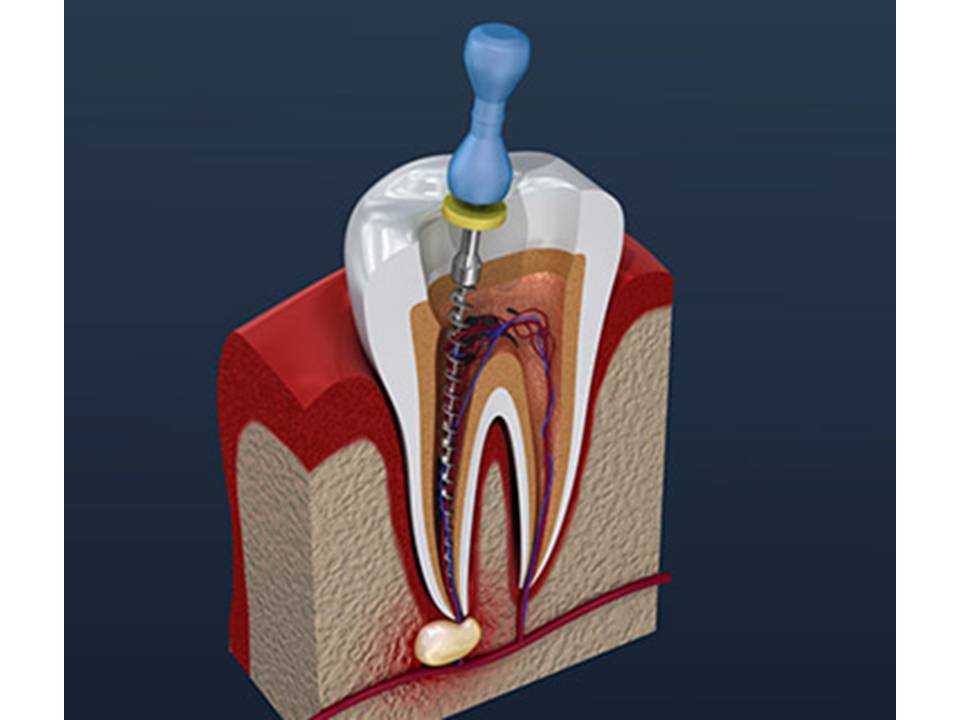
Root canal treatment for milk teeth? And a crown too!! Our pediatric dentists may advice a PULPECTOMY (root canal treatment for kids) if your child has a damaged tooth due to cavity of any other injury
Why a Pulpectomy for milk tooth?
A root canal treatment is done to remove the damaged pulp from the tooth and and replacing the pulp with a filling material.
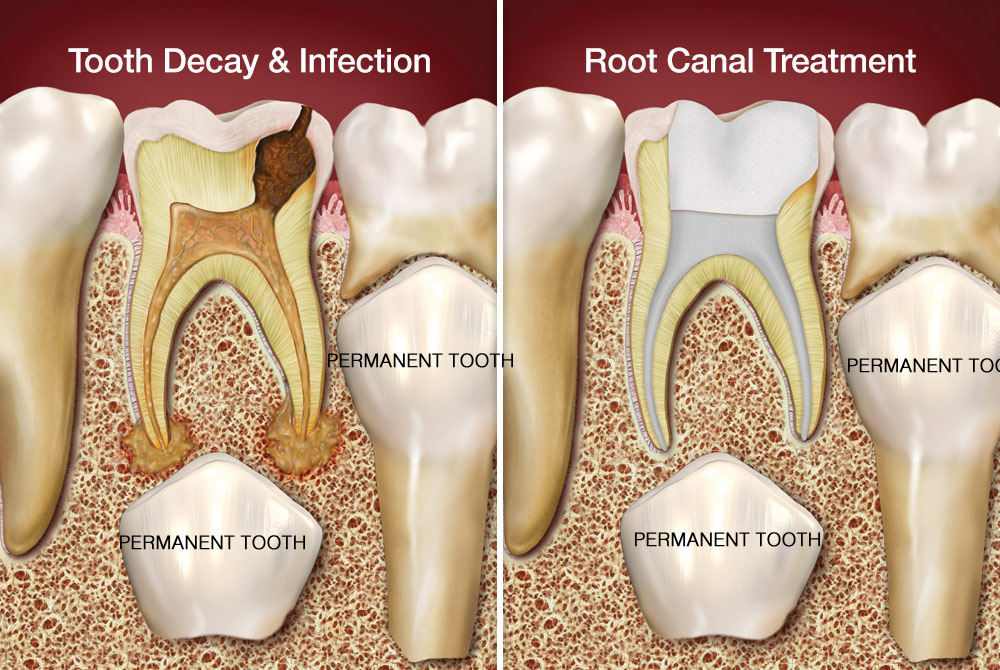
But, you must be thinking, anyway this tooth will fall off why to save it by a Pulpectomy?
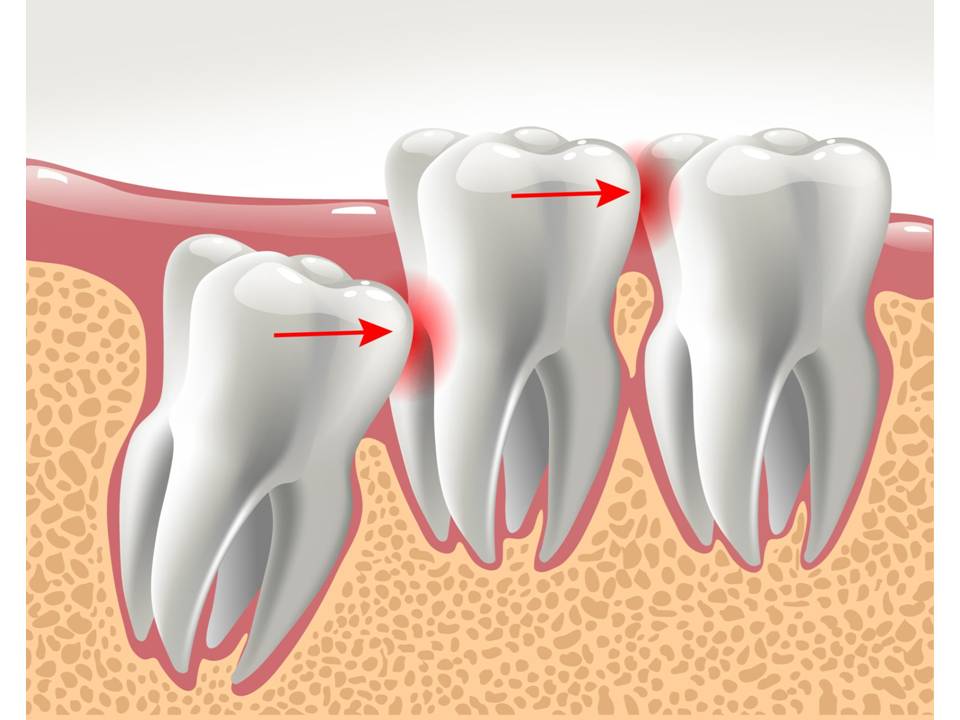
Baby teeth are very important to your child's health and development. They help him or her chew, speak and smile. They also hold space in the jaws for permanent teeth that are growing under the gums. This can make teeth crooked or crowded
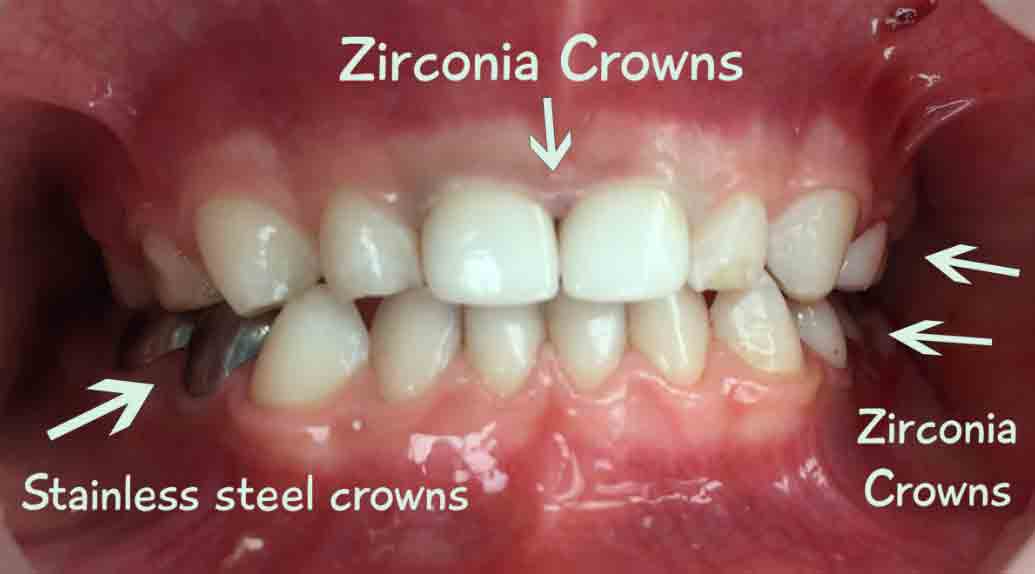
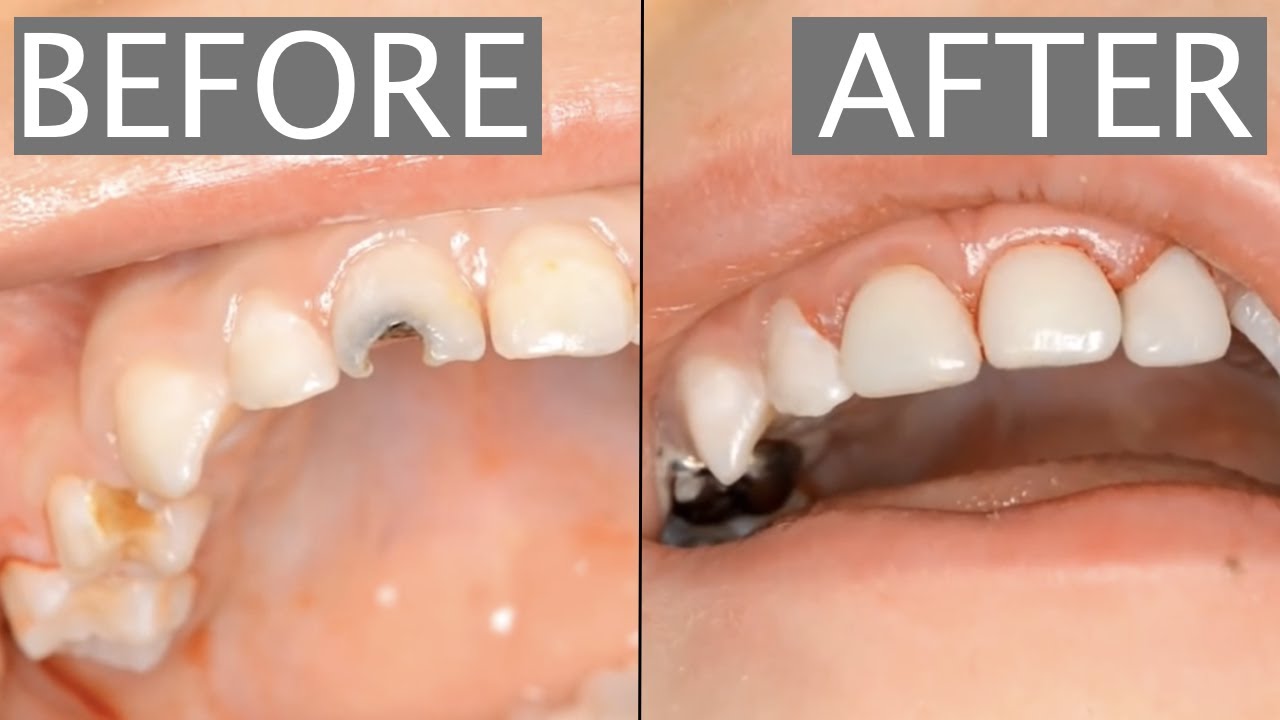
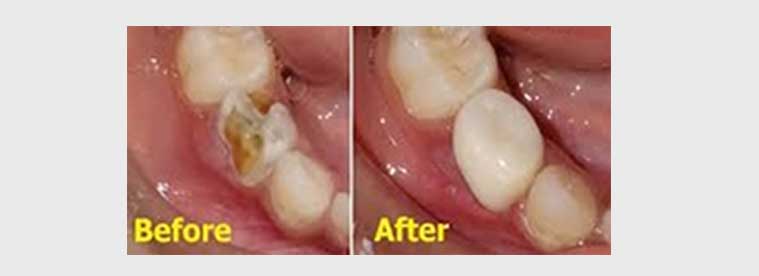
Crown after a pulpectomy for milk tooth.AtUday Dental Care we use five main types of pediatric crowns: stainless steel, composite strip, polycarbonate, resin-veneered,zirconia ceramic, strip crown and pedo pearls.
*CROWNS FOR MILK TEETH
WHAT IS A KIDS DENTAL CROWN ?
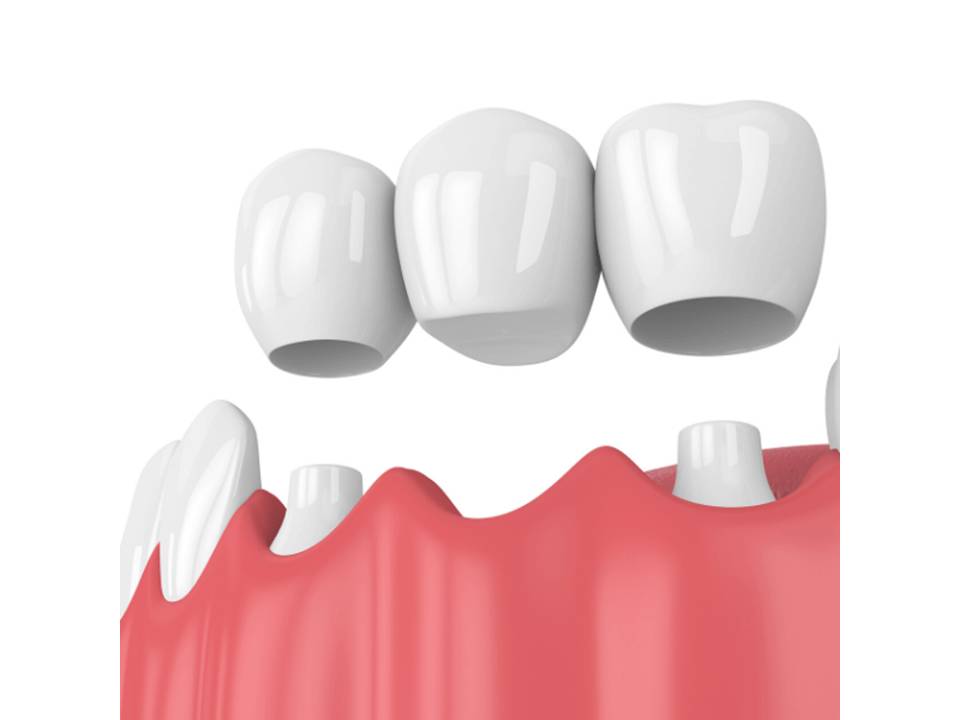
A dental crown is a “cap” or a cover that your dentist puts over a tooth in order to restore its normal size, shape, and function. A crown makes the tooth strong and improvise its appearance. Kids' crown also acts as a complete cover to prevent the baby tooth from any further bacterial attack or infection.
WHY BABY TEETH NEED CROWN?
If the milk tooth is severely damaged by decay or trauma such that it involves tooth nerve, then it is mandatory to perform a root canal procedure over it, which is also known as pulpectomy.
Following pulpectomy, it is necessary to place a crown over baby tooth because it becomes so weak and chalky that it cannot resist the forces during biting or chewing. Hence, the crown on a baby tooth prevents it from fracture and helps to prolong its natural lifespan.
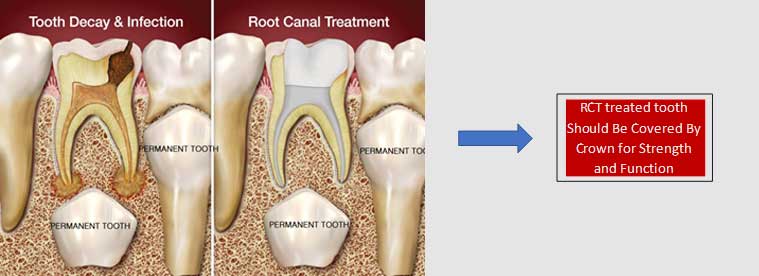
Adding on, kids Crown scan support and protect a baby tooth with a large filling when there isn’t much left of its natural structure. Kids Crown provides 360-degree coverage to an underlying baby tooth, preventing it from further decay.
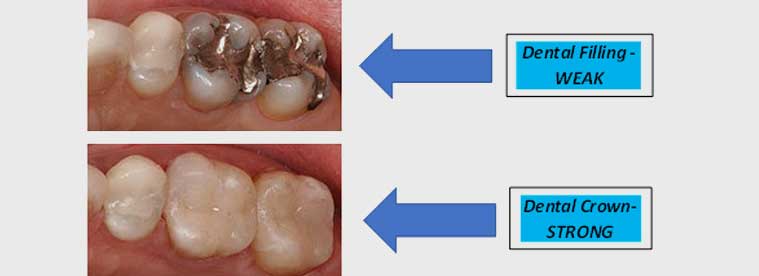
WHAT ARE TYPES OF KIDS CROWNS?
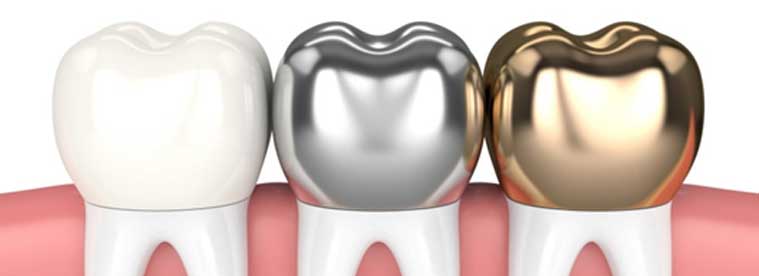
There is a variety of baby tooth crowns available, from metal to tooth-colored ones. Type of kids crown varies on the position of the baby tooth (anterior or posterior) along with the availability of natural tooth surface for adequate support. Some of you may be looking for strength and for others, looks are important too. Pediatric dentist at Uday Dental Care India will carefully examine the baby tooth and suggest you the best crown accordingly.

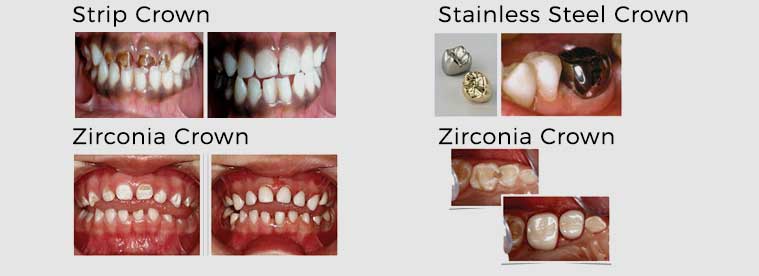
BRANDS OF KIDS CROWN USED ATC OSMODENT INDIA :
Pediatric dentists at Uday Dental Care India believes in using superlative quality of kids crown that have unique strength and appearance with long term guarantee. Like:
3M™ ESPE™ Pedo Strip Crowns, Kids-e-Crown™, Kinder Krown™, Nu Smile ZR™ for Zirconia tooth-colored kids crowns, and 3M™ ESPE™, Hu-Friedy™, Unitek™ Primary for Pedo Stainless Steel Crowns.
1. STRIP CROWNS

Strip crowns are prefabricated, transparent, celluloid crowns forms used for baby front teeth.
Appearance: Tooth-colored, Moderate to good aesthetics
Duration: The Chairside procedure takes 15-20 minutes only.
Pain: It is usually a painless procedure.
Costs: Around INR 2500-3000/- per crown
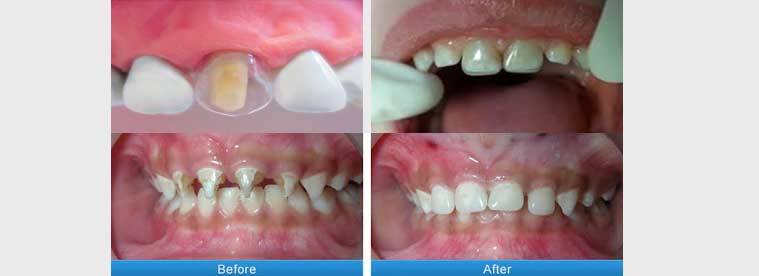
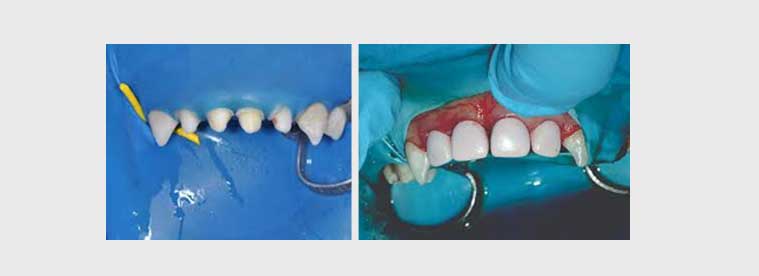
Procedure: First your dentist will select a crown size appropriate to your child milk tooth. After this milk tooth is trimmed to accommodate a crown on it. Once the adjustment is made, strip crowns are cut a little and filled with white composite resin and then placed over the tooth. It is then light-cured and fixed. After this, the celluloid film can either be removed or left in place. Final adjustments can also be made in follow up visits.
2. ZIRCONIA CROWNS
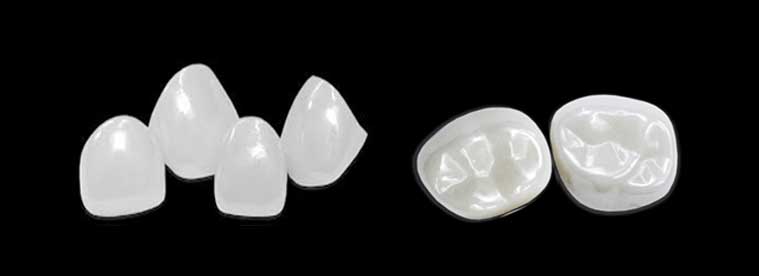
Zirconia is one of the best-chosen material for kids' dental crowns. It mimics your natural tooth. Its strength and shine are unmatched. Zirconia kid's crown gives a more confident and natural smile. It can be placed over any baby tooth (front or back).
Appearance:tooth-colored, excellent aesthetics.
Duration: Chairside procedure takes 15-20 minutes only
Pain: It is usually a painless procedure.
Costs: INR around 4000-6000/- per crown
Procedure: kids dentist at Uday Dental Care will trim and slightly shorten the size of the baby tooth to accommodate the crown on it. After the margin is created, the right side of the zirconia crown is selected and fixed on the teeth with the help of luting cement.
3.STAINLESS STEEL CROWN
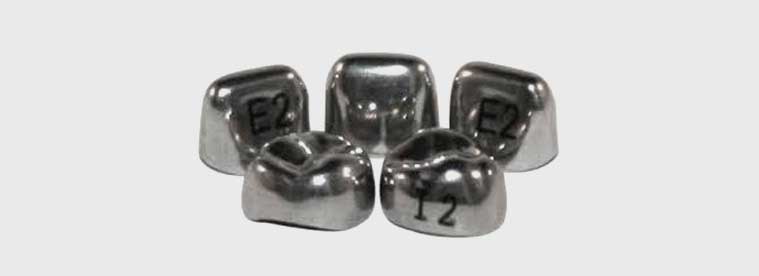
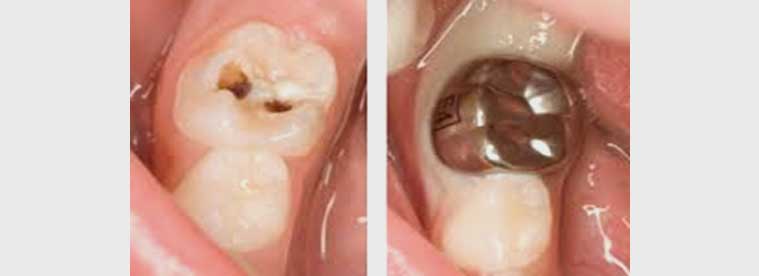
Stainless steel crowns are very durable and are primarily used on molar teeth. These kids' crown can withstand high masticatory forces applied during chewing or biting. Their strength and durability are excellent.
Appearance: Metallic silver/ steel. Moderate to low aesthetics.
Duration: This chairside procedure takes 20-30 minutes.
Pain: Usually painless procedure, minor discomfort at gum level may occur.
Costs: around INR 3500-4000/-
Procedure: The pediatric dentist will first select the appropriate size of the steel crown matching the size of the baby tooth. After this, the baby tooth is trimmed to prepare margins and slightly shortened in height to accommodate the crown on it. Then the steel crown is trimmed and placed on the baby tooth to check for snap-fit. Finally, the steel crown is polished, contoured, and fixed on a baby tooth with luting cement.
HOW DO I CARE FOR MY KIDS DENTAL CROWN?

Immediately after the procedure, it is normal for your child to feel minor discomfort. Some bleeding from gums is also expected. Since now the baby teeth are back in function, your child may face some adjustment issues while biting. But you need not worry, and just keep in mind the following instructions :
-
Avoid water intake for 30-45 mins as the cement takes time to become completely hard.
-
After the dental crown is placed, it is very important that your child avoids sticky or chewy foods for at least 2 days. Thus child should refrain from eating, candies, or chewing gums. Diet should be non-spicy and preferably cold.
-
Kids crown must be kept clean, especially along the gum line, or else they may become very red or sore. Thorough brushing and oral hygiene by the child (or parent, if the child is under the age of 6) will prevent any further infection.
-
If your child has received a tooth-colored crown, do keep in mind that these are not natural teeth.
-
Although they are strong they are more likely to fracture if not cared properly. Hence, avoid biting into extra hard foods like apples or carrots directly from front teeth. Be careful while engaging your child into sports activities.
Pediatric Dentist And Their Team At Uday Dental Care Are Always There To Help, Your Child’s Smile Is Our Responsibility!
Preventive Flourides (child dentistry )
Our moto at Uday Dental Care is “prevention is better than cure”.
Fluorides can help your tooth’s enamel to turn into a super enamel which can resist all erosive forces. It is one of the best preventive treatment available for kids.
How the incorporation of fluoride into the tooth enamel allows the tooth to be more resistant to demineralization by acid and ensuing tooth decay?. Normally our teeth have a material called hydroxyapatite which is a little pron for erosion under the influence of some acids and other chemicals. Once this hydroxyapatite come in contact with fluoride it changes into fluorohydroxyapatite which is a strong material.
How to get fluorides come in contact with the tooth?
Well there are two ways to make the fluoride available for the tooth.
-
Systemic Fluoride: - These circulate through the bloodstream and are incorporated into developing teeth.
-
Topical application: - These are placed directly on the teeth by a dentist or by patients themself
How we apply fluoride onto the tooth?
-
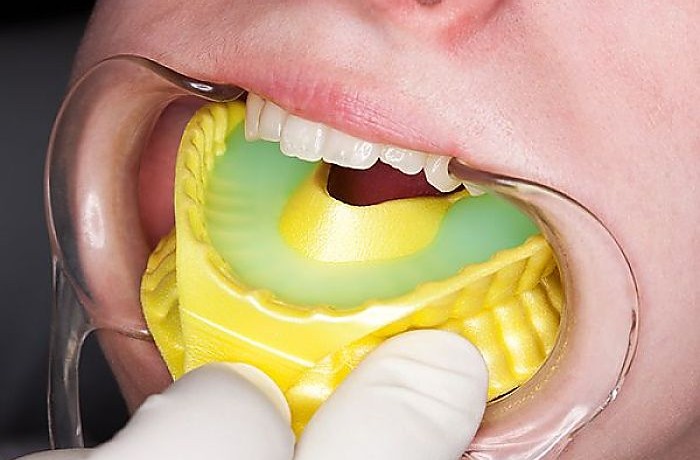
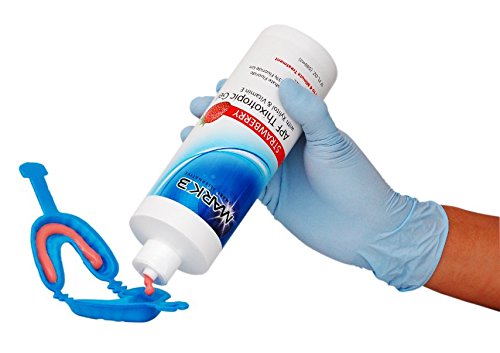
Foam: Fluoride in the form of foam is sprayed onto a special tray and placed in the mouth for 10-15 minutes
-
Fluoride paste: Application of prophylactic (or preventive) pastes are applied after plaque removal which helps in replenishing lost fluoride in high concentration
· Fluoride Varnish: Single tufted brushes are used to paint on fluoride varnish on to sensitive areas of teeth or areas prone to caries such as the joints between the teeth (proximal surfaces’) which are more prone to dental decay
·Steps in Applying the fluoride varnish
-
Dry child’s teeth with gauze
-
Apply a thin layer of the fluoride varnish to all surfaces of the teeth
-
Once it is applied, the fluoride varnish sets quickly with contact of the saliva
-
Repeat the fluoride varnish application every
-
3 – 6 months as necessary
Advantages of fluoride application.
-
Prevention of dental caries.
-
Prevent erosion of enamel (the first layer of tooth).
-
Increase the strength of enamel.
-
Decrease any sensitivity of tooth.
Applying dental fluoride onto the baby teeth will help them to have a good future
Prevention is always better than cure.
That’s why you have an option called pits and fissure sealant
What are Pits and Fissures?
Pits and fissures are the deep grooves that make up the chewing surfaces of your teeth. These grooves are found on both your premolars and molars, though a pit and fissure cavity is usually deeper on the molars than on the premolars.
What is pits and fissure sealant?
To prevent the development of dental decay at Uday Dental Care our pedodontist will suggest you pits and fissure sealant. Dental sealants (also termed pit and fissure sealants, or simply fissure sealants) are a dental treatment intended to prevent tooth decay. Teeth have recesses on their biting surfaces; the back teeth have fissures (grooves) and some front teeth have cingulum pits.
Milk Tooth Fillings (child dentistry )
Back in days all parents thought that milk tooth has no importance in a child's life and whatever happens to that tooth is not a serious matter to take a look at, until the child start feeling some pain. But now it’s changed all parents are understanding the importance of the milktooth.
Why milk tooth is important?
-
They help in the growth of child’s jaw.
-
Determine the face structure.
-
Maintain the space for the permanent teeth in future.
-
Help child in speech
-
Chewing food properly
-
Overall these teeth affect the child’s lifestyle, maintaining these teeth until the age of 11 years is so important
So what to do if your child’s teeth got cavities?
At Uday Dental Care we take care of your child as our own. We want their visit to the dentist to be a fun experience.
-
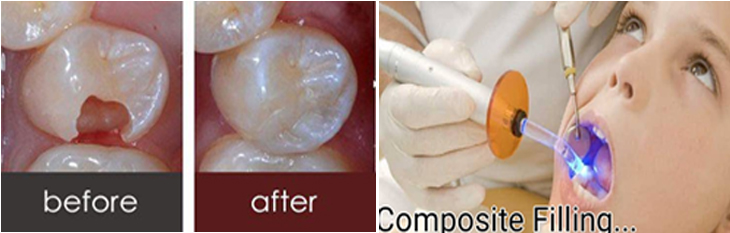
Removal of infected tooth particle and replacing it with a synthetic tooth material is the treatment for milk tooth cavity
-
baby teeth fillings are made out of either white composite or GIC. The other filling and crown materials, like gold and ceramic, are rarely as fillings for children.
-
GIC fillings can release fluorides, which will prevent development of caries in future
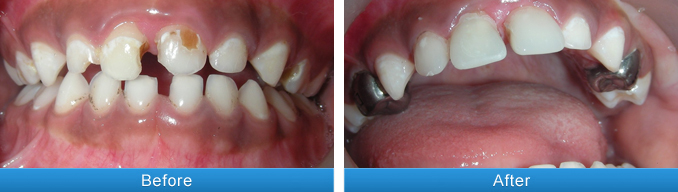
Preventing the formation of cavity is the best way, but if the cavity is already started it’s very important to stop it from progressing further.
Habit breaking appliances (child dentistry )
Habit Breaking Appliances
Habit can be defined as a fixed or constant practice established by frequent repetition.
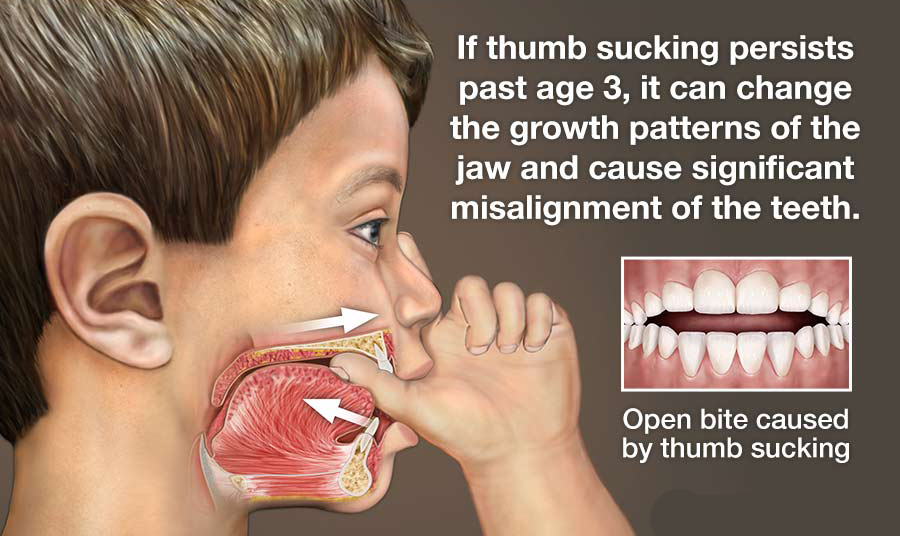
Usually children will develop unhealthy habits. These habits usually fade away as they grow up, if the practice persists after the permanent teeth have erupted, it can drastically change the growth patterns of the jaw and can ruin the alignment of the teeth
Children have a very soft bone in their jaw, so if they catch such habits it can make the soft jaws change its shape according to the force being applied on it.
So it’s very important to stop these habit by making the child understand the consequences of continuing such habits. But for some kids they need some appliance to break the habit.,
What are the available appliances
At Uday Dental Care we study the habit of child and we make a treatment plan. Here are the basic treatment option for some of the common oral habits
THUMB SUCKING:-
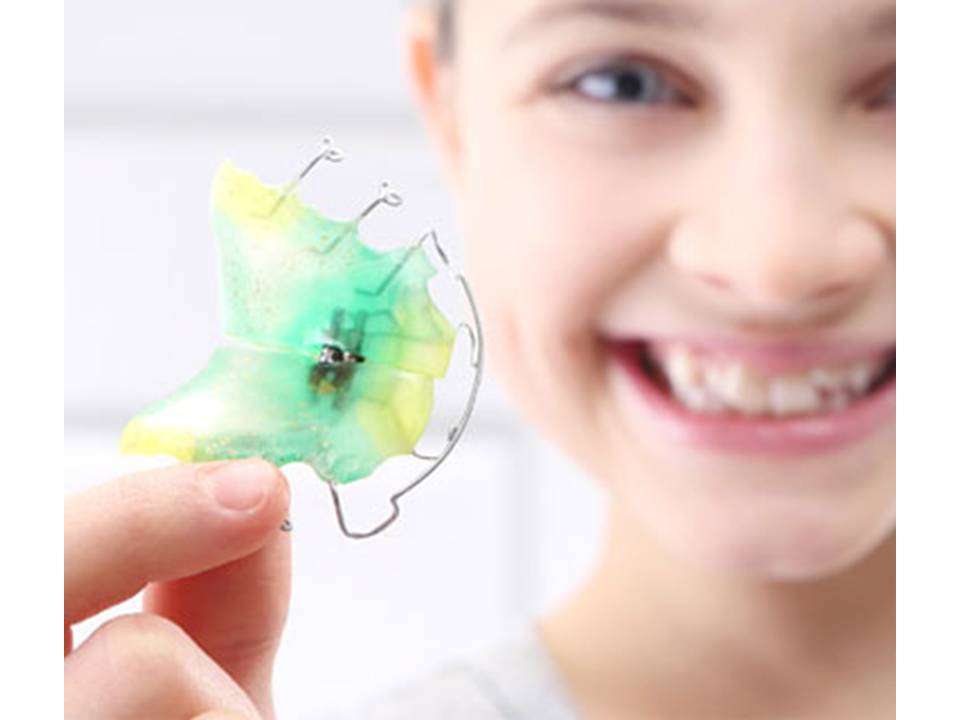
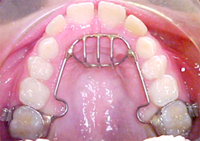
If your child has a thumb or finger sucking habit that has persisted past the age of five, and you have been unable to tame it, a more permanent solution to thumb sucking is an appliance called a fixed palatal crib or a rake-style appliance.
Appliance:-
TONGUE THRUSTING:-
It's the natural swallowing movement of tongue, but some kids take it as a habit to repeat this movement which will result in the deformity of the arch.If the pattern doesn’t change, however, it can lead to problems similar to those caused by thumb sucking like problems with tooth alignment and skeletal development.
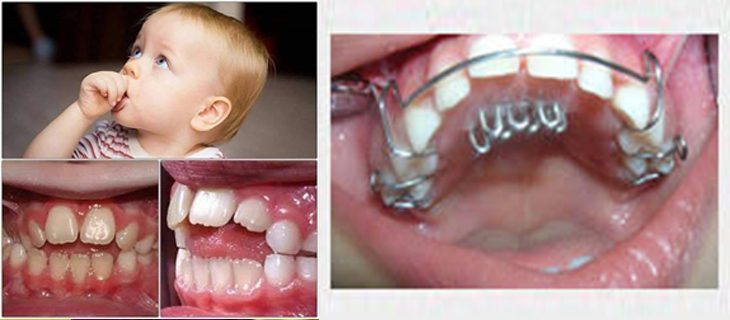
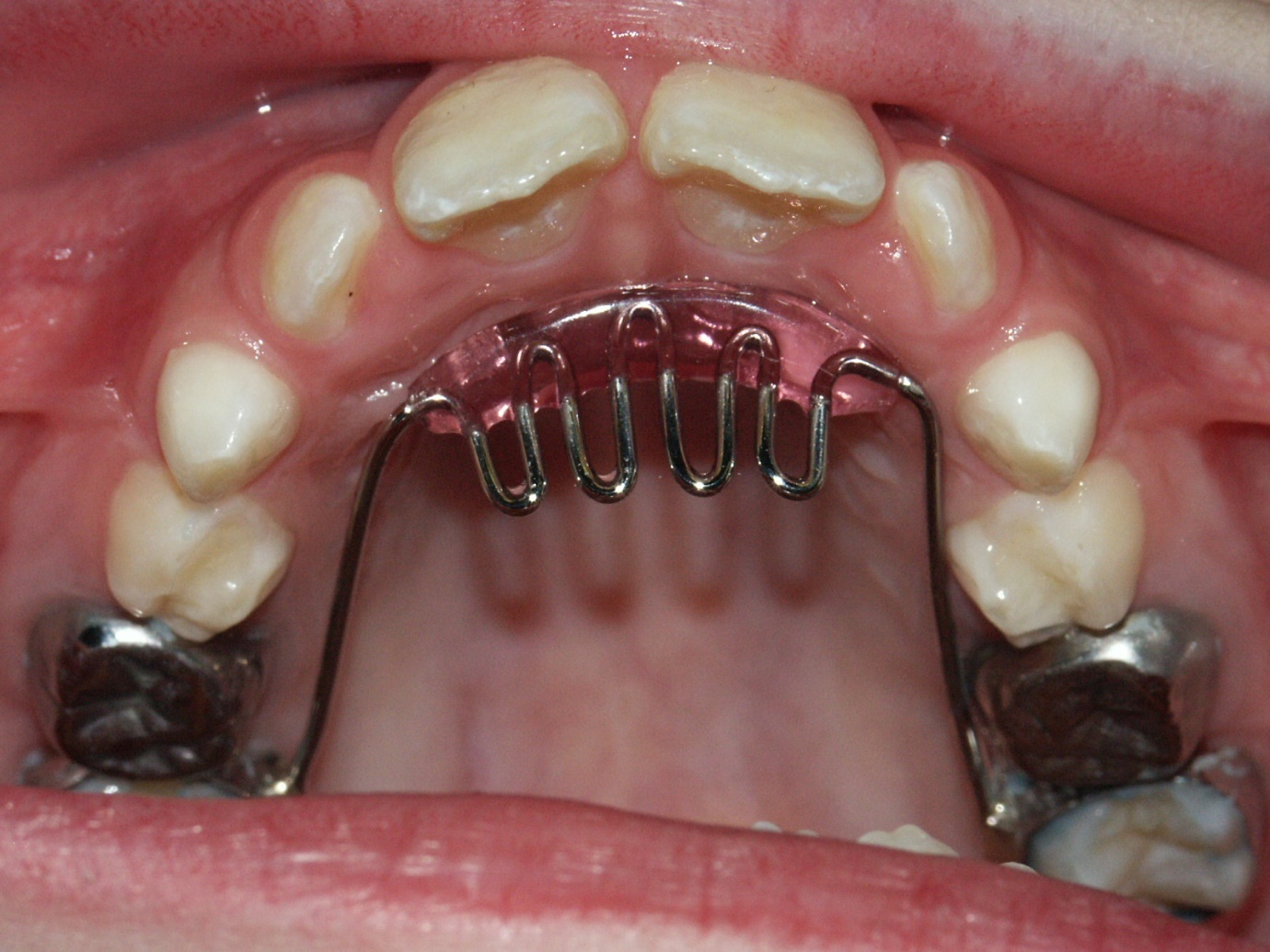
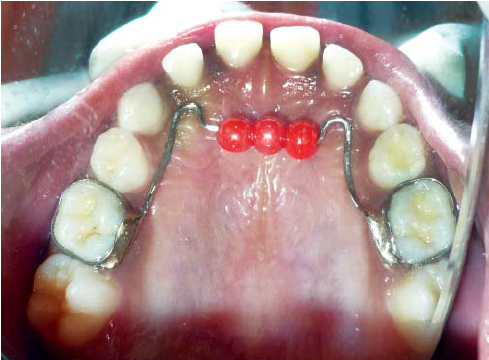
This is treated with a tongue thrusting habit breaking appliance. This can be either in the form of the crib, rake, spiky style or beaded
MOUTH BREATHING:-
Normally breathing is through nose, mouth breathing can lead to decrease in saliva and it makes teeth more prone for caries. One can probably assume that there may be some kind of psychological disturbance in the child’s mind. This must be identified and rectified at an earlier stage whenever possible.Some habits develop due to anatomical deviation. As blocked nose due to recurrent cold or deviated septum can force the child from mouth and thus the habit of mouth breathing develops.
Appliance used for treating this is an oral screen. The oral screen prevents the inhaled air to enter the oral cavity. The oral cavity can also be closed.
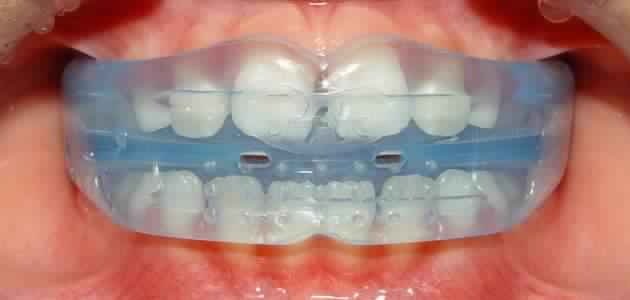
Emotional cause also leads to bad oral habit, at Uday Dental Care our super specialist pedodontist will help you find right cause and etiology and help you with best suitable appliance Treating the oral habit at an early age is the most effective way to prevent further dental health problems. Minimum time for a habit to break is 4 months. If you take the treatments for granted it can cost you not only money but also your child’s permanent teeth.
Kids Dentists
WHAT SHOULD I DO IF MY CHILD HAS TOOTHACHE?
You should rinse the affected area with lukewarm salt water. After that, you can apply some clove oil. Over the counter painkiller syrup can be given in appropriate dosage. It is advised to visit kids dentist for a definitive treatment.
MY CHILD’S FACE HAS SWOLLEN ON ONE SIDE. WHAT CAN I DO?
Always remember to avoid using anything hot, as it can increase the swelling further. Our expert kids dentist suggest, you should place a cold compress on the affected side of face. Some antibiotics may help (seek professional advice) and immediate treatment should be sought.
WHAT CAUSES CAVITIES IN KIDS?
Kids dentist have observed bacteria in mouths of all human beings, whether young or adult. When these bacteria come into contact with sugary foods which are left behind after eating, acids are produced. These acids attack the outer layer of teeth i.e. enamel taking away all the mineral content and creating holes in the teeth, which we call cavities.
WHEN SHOULD WE BEGIN USING TOOTHPASTE AND HOW MUCH SHOULD WE USE?
The answer is sooner the better! Kids dentist suggest thet Oral hygiene should Start right at birth, clean your child’s gums after feeding with a soft damp muslin cloth. Once the teeth erupt, Parents should use a very tiny smear (rice grain size) of fluoride toothpaste on a finger brush to clean baby teeth twice daily.
MY CHILD IS IRRITATED DURING TEETHING, WHAT CAN I DO?
Most of the infants are uncomfortable during teething process. Your child may be cranky, may drool a lot, he/she will put every other object in hand to mouth and act quite fussy. Gums may feel reddish and slightly swollen. Some kids develop mild fever and diarrhoea too. Gently rubbing the gums with damp muslin cloth (ice cold water) , or application of back side of cold spoon may help. Many teething toys are available which can be refrigerated before use. Some topical gels are also effective, which our kids dentist can suggest better.
Numerous guardians and parents are uninformed of how significantly oral wellbeing can impact the overall general wellbeing of their child. Tooth decay is preventable, yet it remains the most widely recognized interminable youth infection. You can completely avert tooth decay! All it requires is an introduction to oral healthcare practices early in life.
*Importance of Milk Tooth
WHY IS MILK TOOTH SIGNIFICANT?
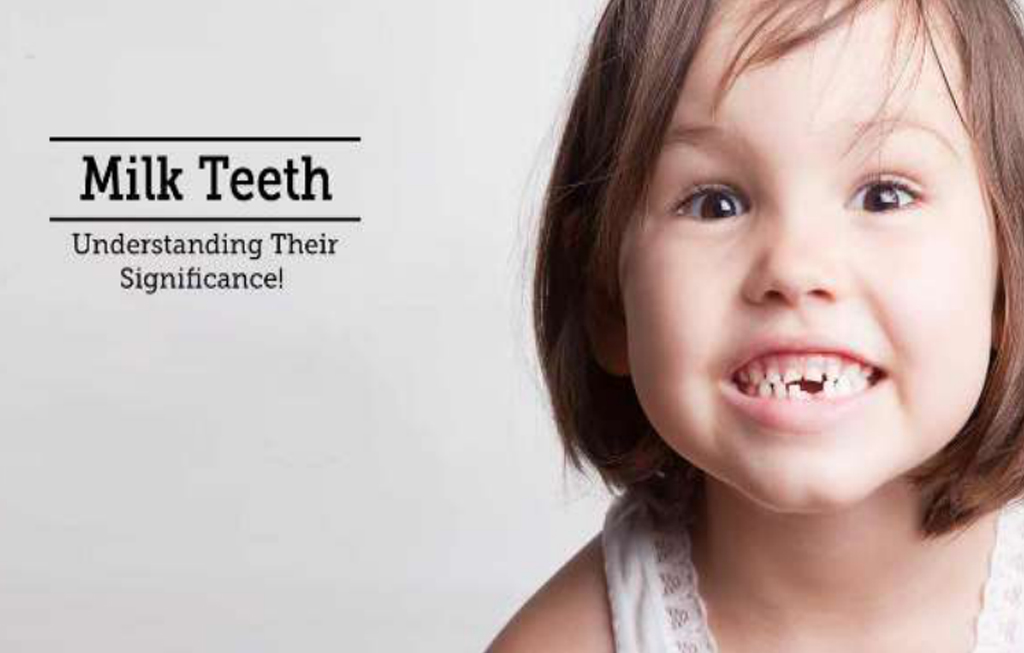
Milk teeth influence the child’s way of life, keeping up these teeth until the age of 11 years is extremely important. As:
? They help in the development of a child’s jaw.
? Determines the growing face structure.
? Maintains the space for perpetual teeth in the future.
? Help kids in proper speech and pronunciation.
? Chewing the food appropriately to derive nourishment.
HOW TO KEEP THE TEETH FIT AS A FIDDLE?
Routine oral hygiene practice if incorporated in initial years of life, can lead to healthy oral health. The basic practice of keeping the oral cavity clean should be religiously practiced in a fun way.
BRUSHING
• Children should brush their teeth 2 times each day for around 2 minutes.
• Each time with a toothpaste that contains fluoride; The quantity to be used is of pea size amount till the age of 2 years and rice grain size amount till the age of 6 years.
• Parents should supervise their kids in brushing until they are 7-8 years of age.
• The use of electrical brushes is also advised as it doesn’t require hand dexterity.
FLOSSING
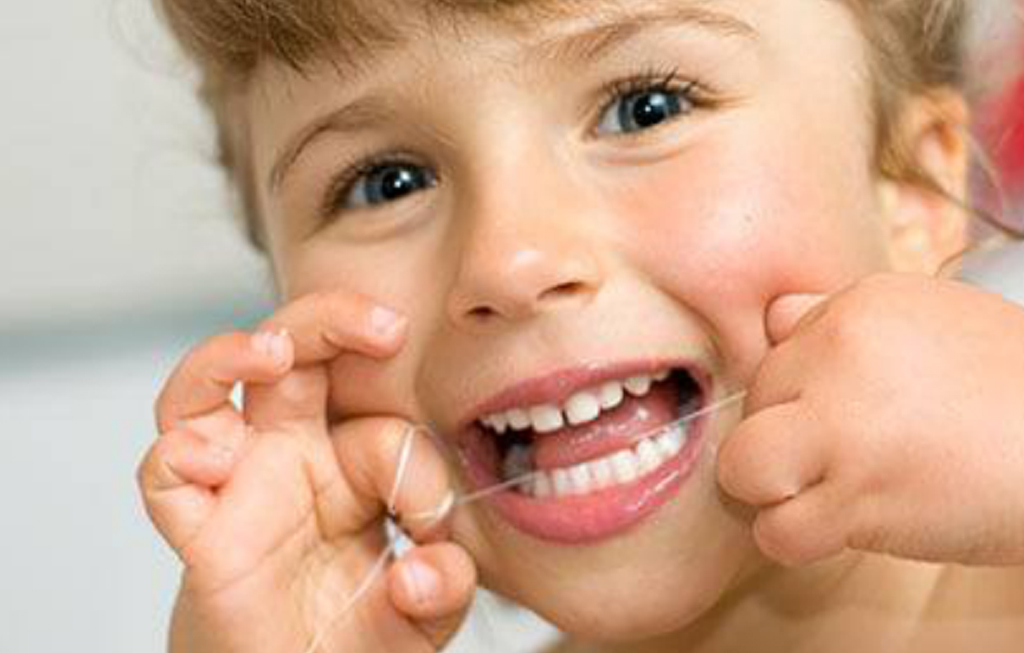
Correct brushing helps in the removal of dental plaque. But brushing alone is not sufficient to remove plaque located in places where the toothbrush can't reach. These sites are located in between the teeth and below the gums. To clean them, flossing is the right option.
• Flossing should start immediately after your child has 2 teeth that touch.
• Flossing is very important to prevent proximal decay. (decay arising from contact area between two adjacent teeth)
• Flossing also helps to polish tooth surfaces and control bad breath
• Your child should floss once a day for 2 to 3 minutes at least.
STANDARD DENTAL VISITS
• Your child’s first dental visit should happen when his/her first baby tooth erupts (i.e. around 6-7 months) and none later than their first birthday
• Children should visit the dental clinic two times per year for routine cleaning and dental assessment. Nonetheless, your dental specialist might need to see you or your kid pretty much regularly if they’re at high cavities risk. It is ideal to pursue their direction.
• Let your dental specialist know whether you or your kid has an ailment or is taking a prescription.
• If your child has bleeding gums that proceed with longer than about fourteen days, you need to see your pedodontist.
DIET MODIFICATION
• The correct sort of nourishment consumption is mandatory for good teeth.
• Limit refined sugar intake and dispose of sugary refreshments as they produce high acid and the main culprit to initiate cavities in your little one’s mouth
• Limit carbonated drinks, for example, soft drink or pop, or soda punch as they’re responsible to cause erosion of white layer (enamel) of teeth causing increased tooth sensitivity problems early in life.
• Your child should drink milk but with no added sugars or syrups
• Using Xylitol containing chewing gums is a good choice.
• Rinsing your child’s mouth or giving them a sip of water after every mean is recommended to wash them off from the oral cavity.
Space Maintainers – (Child dentistry )
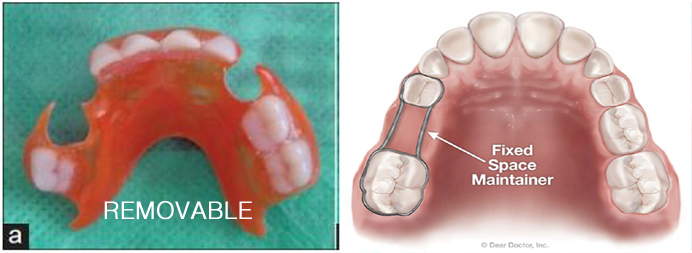
Space Maintainer
A space maintainer is an appliance that is custom-made for you by us at Uday Dental Care. It can be either removable or cemented onto a tooth in child's mouth.
Why a space maintainers
After your kid lose a tooth that space need to be preserved to allow the permanent tooth to come into that space. This is where space maintainers come, it’s purpose is to keep the space open in order to prevent malalignment of permanent teeth in future
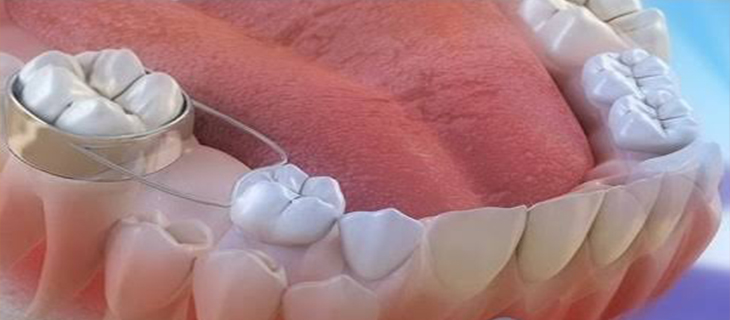
Types of Space Maintainers